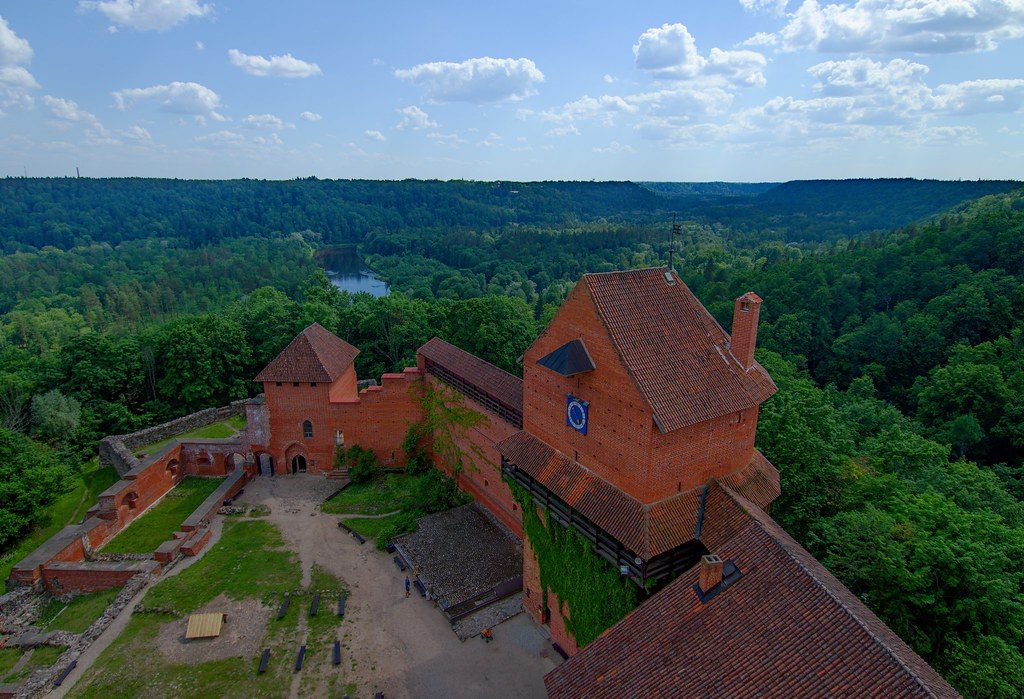
Turaida Castle
A red-brick medieval fortress featuring a high observation tower that overlooks the Gauja River valley.
Climb the tower early for clear views of the valley floor.

Sigulda sits at the heart of Gauja National Park, where three castle ruins crown forested ridges above a river valley carved through Devonian sandstone. The compact town offers activities ranging from 13th-century tower climbs to Olympic-standard bobsleigh rides, most within walking distance or a short cable-car crossing of the valley.
Quick answer
Sigulda things to do center on Turaida Museum Reserve (9 EUR, open daily 09:00–20:00), the Gauja Valley cable car, and the Olympic bobsleigh track. Most visitors combine castle exploration with an outdoor activity—the aerodium vertical wind tunnel, the bungy jump from Sigulda Castle ruins, or forest trails along the Gauja riverbanks. Arrive between 09:00 and 11:00 to avoid mid-day tour groups at Turaida and secure better light for sandstone-cliff photography.
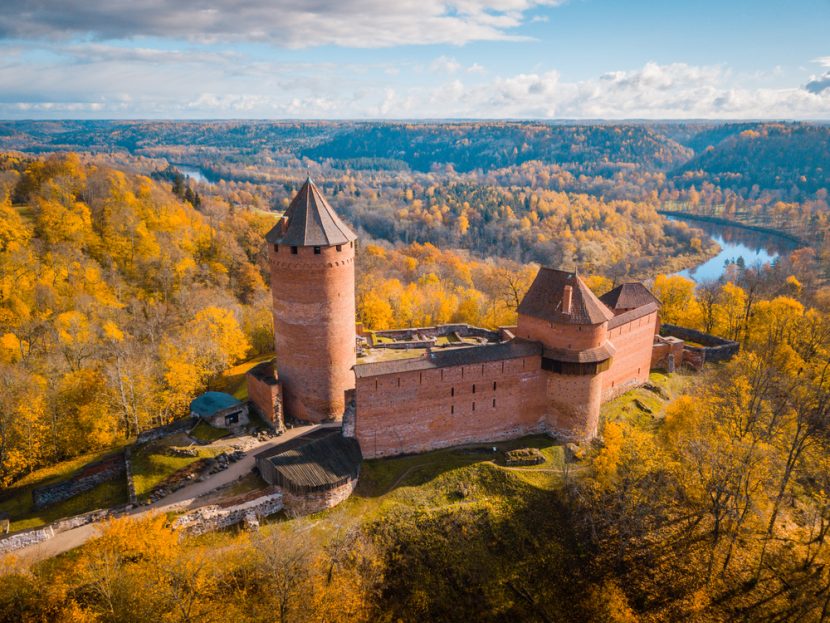
The Gauja River has cut a 90-meter gorge through red sandstone, leaving three medieval fortifications stranded on opposite ridges. Turaida Castle, rebuilt in brick after a 1776 fire, dominates the right bank with its square tower offering views across pine forests to the valley floor. Across the gorge, the stone ruins of Sigulda Castle and the 19th-century neo-Gothic Sigulda New Castle anchor the left bank, connected by a Soviet-era cable car that still ferries visitors over the treetops. The bobsleigh and luge track, built for the 1986 Soviet championships, remains one of only 16 refrigerated tracks worldwide. Visitors ride with a professional pilot at speeds reaching 80 kilometers per hour through fourteen banked curves, the sled's runners scraping ice centimeters from concrete walls. The aerodium wind tunnel nearby generates a 200-kilometer-per-hour column of air, suspending skydivers in a vertical free-fall simulation without requiring an aircraft. Gauja National Park trails radiate from the town center. The Gutmanis Cave path descends through mixed forest to Latvia's widest cave, its sandstone walls inscribed with visitor signatures dating to the 1600s. The longer trail to the Ligatne Secret Soviet Bunker follows the river's northern bank through stands of Scots pine and Norway spruce, passing exposed cliff faces where swallows nest in spring. Sigulda activities cluster into two zones: heritage sites on the valley rim and adventure sports on the valley floor. A full day allows time for one castle, one adrenaline activity, and a forest walk. The town operates year-round, but winter transforms it—when temperatures drop below zero, the bobsleigh track opens for public rides and cross-country ski trails replace summer hiking paths through the national park.
“The Gauja River has carved a 90-meter gorge through Devonian sandstone, stranding three medieval castles on forested ridges above the valley floor.”
To optimize your day trip to Sigulda, aim to arrive during the best arrival window: 09:00–11:00. This timing allows you to avoid mid-day tour group crowds and enjoy better morning light for photography.
—
Quiet paths and easy access to sites.
Mild, 12°C–20°C
Lush greenery and long daylight hours.
Cool, 8°C–15°C
Notable for autumn foliage and forest colors.
Cold, -5°C–2°C
Potential for snow and winter activities.
Verdict: The best time to visit is on a weekday morning between 09:00 and 11:00 during the months of May or October.
Sigulda offers a variety of historical and natural landmarks centered around the Gauja Valley. These sites provide insight into the regional architecture and landscape.
A red-brick medieval fortress featuring a high observation tower that overlooks the Gauja River valley.
Climb the tower early for clear views of the valley floor.
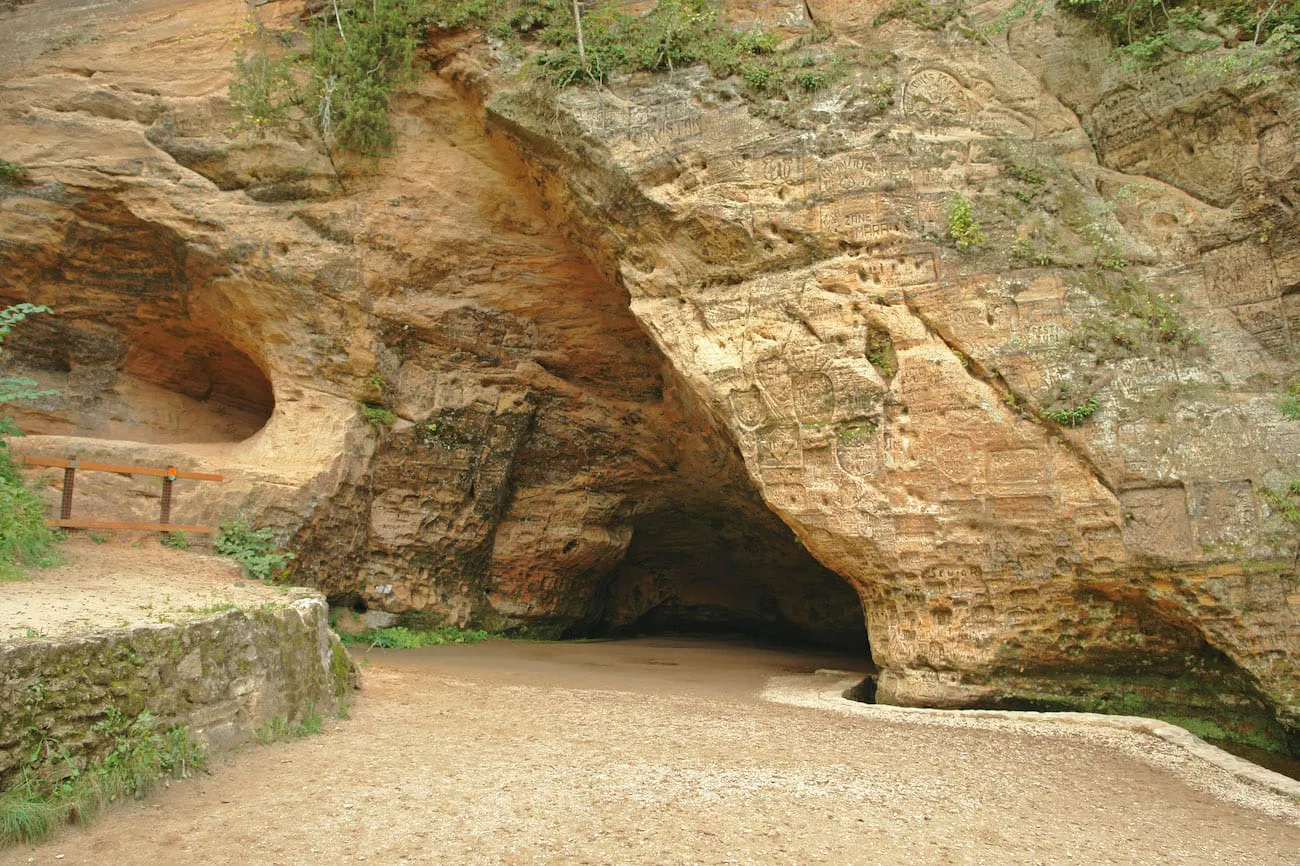
The largest grotto in the Baltic region, known for its ancient inscriptions and sandstone walls.
Visit the cave walls to observe centuries-old carved signatures.
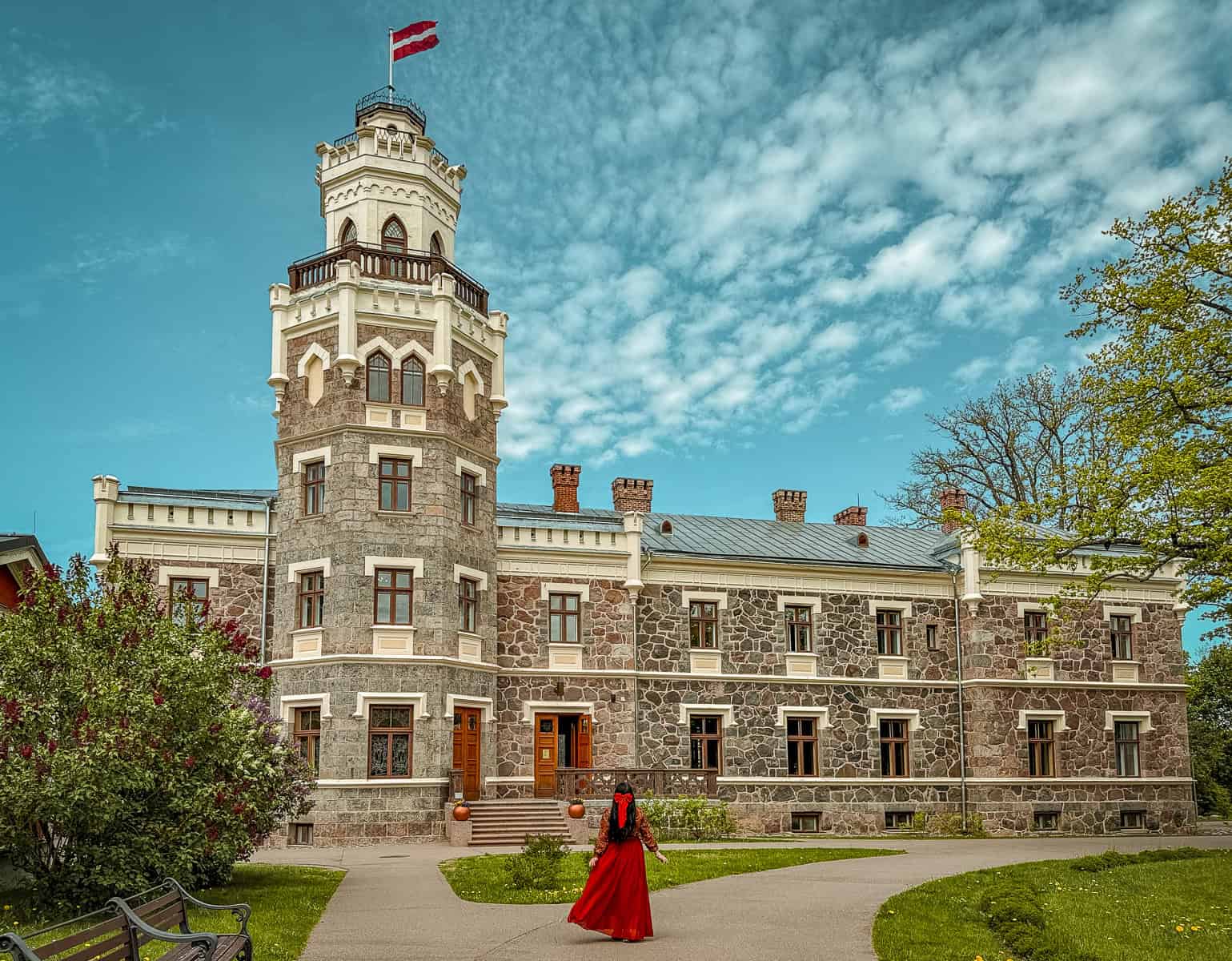
A nineteenth-century manor house showcasing neo-Gothic architecture and preserved interior design.
Walk around the exterior to view the detailed wooden carvings.
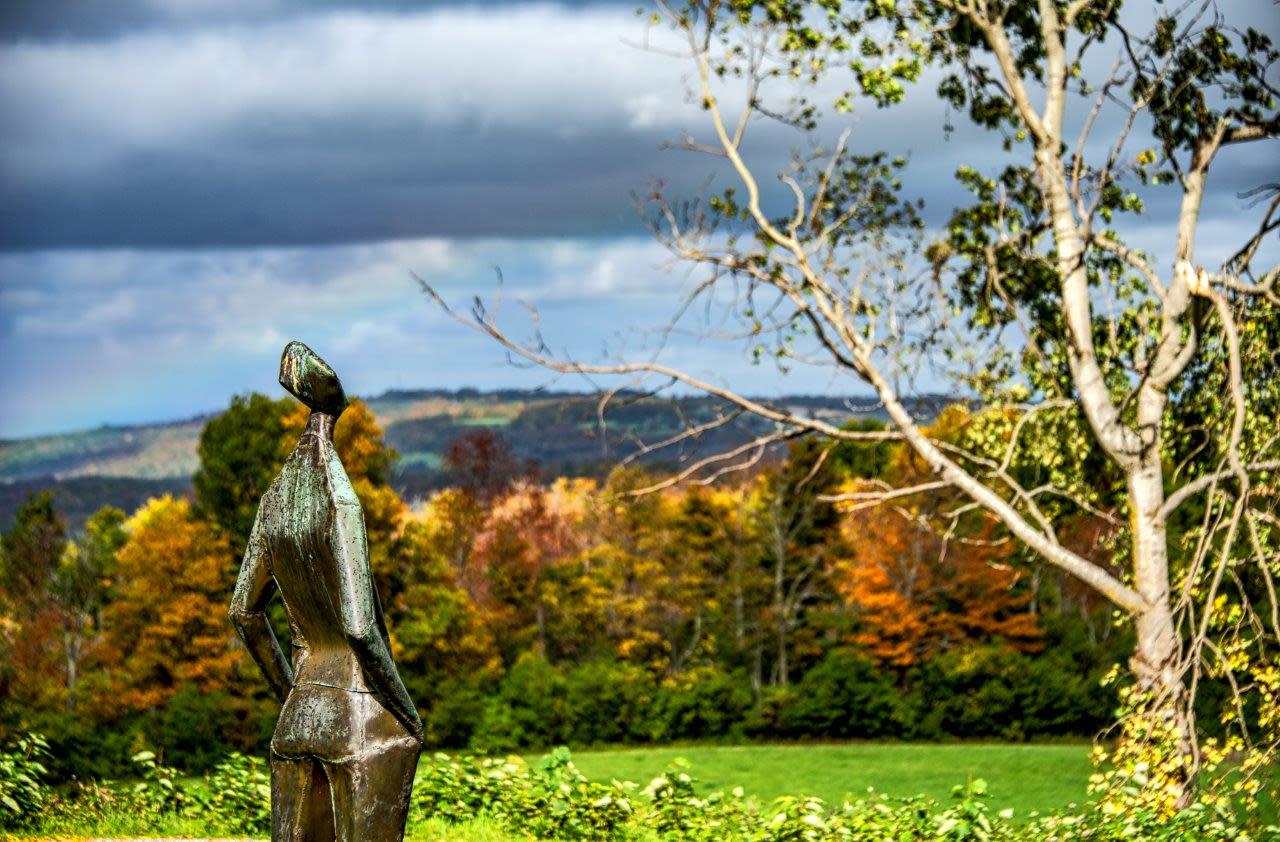
A landscaped park within the Turaida Museum Reserve featuring numerous stone sculptures dedicated to Latvian folklore.
Walk the pathways to see statues representing folk song motifs.
The Turaida Museum Reserve maintains consistent operating hours throughout the week. Visitors can access the grounds and facilities daily.
Sigulda is located approximately 50 kilometers northeast of Riga and is accessible via reliable regional transport links. The most efficient approach for day visitors is to utilize the direct train or bus services connecting Riga to the Sigulda station.
Vivi train line Riga–Valga to Sigulda Station
Regional bus routes from Riga International Coach Terminal to Sigulda
A2 highway from Riga towards Sigulda
Upon arriving at Sigulda station, local bus services or taxis are available to reach Turaida Museum Reserve at Turaidas iela 10. Parking is available on-site for those traveling by private vehicle.
Complement your visit to the Turaida Museum Reserve by exploring these nearby sites, all located within the scenic Gauja Valley. These locations offer natural landmarks and historical structures that provide a deeper perspective on the Sigulda region.
15 min walk
This is the largest grotto in the Baltic countries, featuring ancient inscriptions and providing a natural connection to the legends surrounding the area.
5 min drive
Located closer to the town center, this area features craft workshops and historical architecture that contrast well with the museum reserve landscape.
7 min drive
This professional facility offers insight into Sigulda's sporting heritage and provides unique views of the Gauja River valley from the top of the track.
Everything you need to know about sigulda things to do
The primary attractions center around the Gauja Valley, including medieval castle ruins, the Turaida Museum Reserve, and various outdoor trails. These activities offer a comprehensive view of Latvian heritage and natural scenery. Planning your sigulda things to do around these historic sites provides the most cultural value. Exploring the ancient castle ruins and the red-brick architecture of Turaida are common highlights for those visiting the region. Yes, the Turaida Museum Reserve is centrally located and easily accessible for those planning a day trip from Riga. You can spend several hours exploring the medieval tower, the folk song garden, and the local history exhibitions. It remains one of the most popular sigulda things to do due to its rich cultural significance. Arriving between 09:00 and 11:00 is recommended to avoid mid-day tour group crowds. This early start also provides better natural lighting for photography across the valley. Following this advice ensures a more relaxed experience while you explore the various sigulda things to do. The entrance fee is 9 EUR per adult for the Turaida Museum Reserve. Please note that pricing for other local attractions may vary depending on the season and specific site policies. Always check official sources or your booking confirmation for the most current information regarding admission costs. Yes, the region is highly suitable for families, with many parks and walking paths that are easy to navigate with children. The wide, open spaces of the museum grounds allow plenty of room for younger visitors to move around safely. Many families consider outdoor excursions to be the most rewarding sigulda things to do while visiting. To organize an efficient sightseeing tour, combine visits to the medieval fortresses with walks through the Gauja National Park. It is helpful to prioritize one or two major landmarks per day to avoid rushing between locations. Using reliable local transport or a pre-arranged transfer from Riga simplifies the logistics of your visit.